

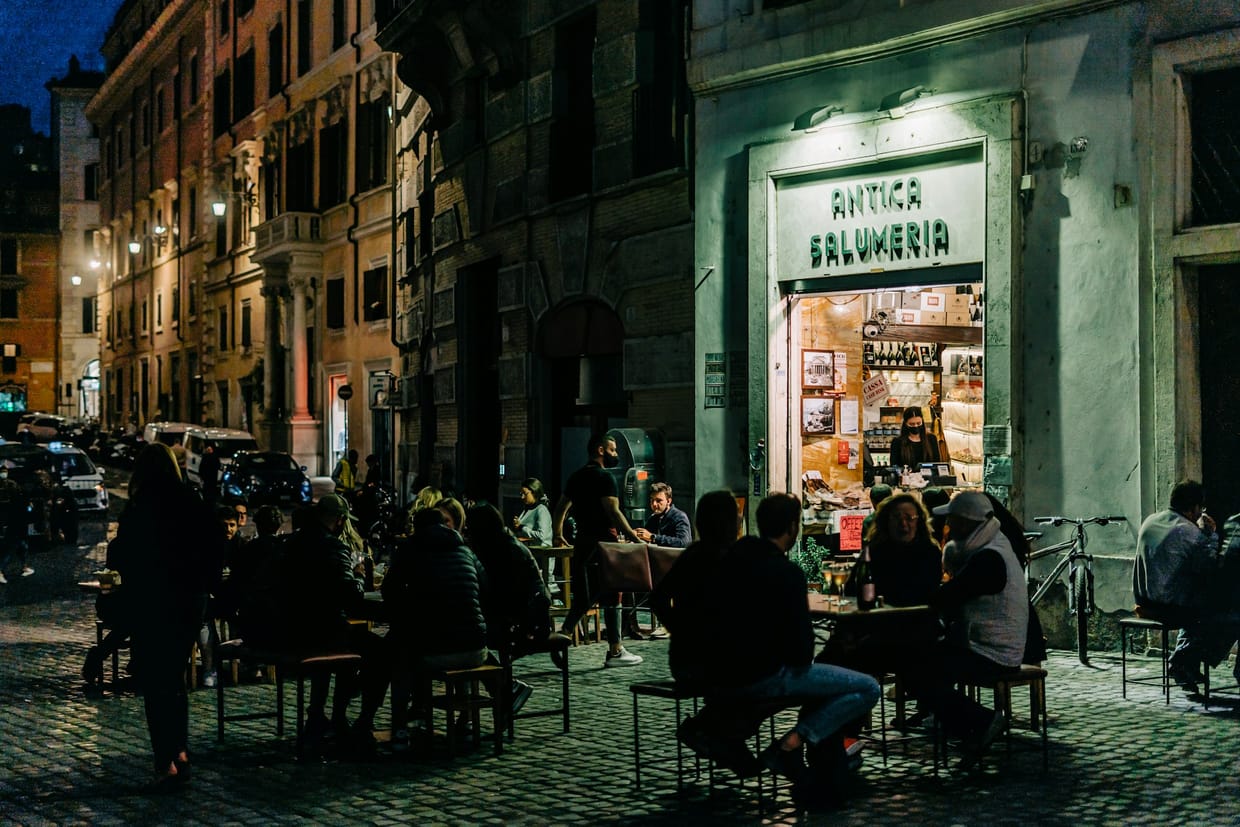
Blog 002: Our Top 5 European Cities For Food
In this post, we’ll explore our top 5 European food destinations, each offering a distinct culinary journey. What makes traveling through Europe so special is the incredible variation not only from country to country but even from region to region. Every area has its own unique flavours, ingredients, and traditions that reflect its rich culture and history.
For us, a trip isn’t truly complete unless it includes amazing food. But it’s not just about the meal itself – it’s about the entire dining experience. We don’t just seek out restaurants for the sake of eating; we look for places that are full of character and charm. Whether it’s dining under fairy lights down a quiet alley off a main square, overlooking rolling green countryside, or sitting in a cosy trattoria trying to decipher a handwritten menu of the day scribbled on a blackboard – the atmosphere is just as important as the food. For a truly fulfilling trip, the ambience and setting need to enhance the flavours, making the experience memorable in every sense.
We love Rome not just for its incredible food but also for its timeless historical charm. After a busy day exploring some of the world's most iconic landmarks, there’s nothing better than heading off from the busy piazzas into quaint alleys, stumbling upon welcoming trattorias where you know you’ll be treated to delicious pasta and amazing local wine.
Rome’s culinary history stretches back to ancient times, with Roman feasts known for their extravagance. The city’s food culture today, however, is deeply rooted in simplicity and quality ingredients.
Romans have always embraced local produce, with grains, olive oil, and wine forming the core of their diet since ancient times. Roman food reflects centuries of frugality, influenced by peasant traditions, where simple ingredients were transformed into delicious dishes.
Specialties
Cacio e Pepe – A pasta dish made with just three ingredients: pecorino cheese, black pepper, and pasta, showcasing Rome’s love for simplicity.
Supplì – Fried rice balls stuffed with mozzarella, originating from Roman street food culture.
Carbonara and Amatriciana - Two of Rome's most iconic pasta dishes, carbonara and amatriciana, are a perfect reflection of the city’s deep connection to bold flavours and simple, high-quality ingredients.
Our Favourite Restaurant
Trattoria Da Enzo al 29
We quickly fell in love with Seville’s vibrant tapas scene and charming city centre. Our perfect day in Seville involves wandering through the many tapas bars eating a dish or two at each, complemented by a glass of wine. Seville is our favourite place to eat in Spain, especially as we explore the streets lined with it's famous orange trees. A tip from us: it’s best to avoid visiting during the peak of summer - Seville is nicknamed the 'oven of Spain' for good reason!
Seville’s culinary roots are intertwined with its rich history as a cultural and trading hub. Seville is the birthplace of tapas, a dining style that perfectly encapsulates Spain’s love for social eating. The city’s rich agricultural surroundings provide fresh produce, and its close proximity to the coast means seafood also plays a significant role.
Specialties:
Pringá - A traditional Andalusian dish made from slow-cooked pork, beef, chorizo, and morcilla, typically shredded and served inside crusty bread.
Jamón Ibérico – Spain’s famous cured ham, often enjoyed as a tapa with a glass of sherry, Seville’s traditional drink.
Gazpacho – This cold tomato-based soup, often served in the summer, is a Seville classic, reflecting the hot Andalusian climate.
Our Favourite Restaurant
El Rinconcillo
Siena had been on our must-visit list for years, and when we finally arrived, the food scene exceeded all our expectations. The pedestrianised center makes al fresco dining a delightful experience throughout the city, showcasing a plethora of amazing food options. Given the high quality of the cuisine, the prices are surprisingly low. We can’t wait for our next trip, where the first dish we’ll indulge in will be ragù di cinghiale!
Siena’s food culture is tied to its medieval history and its location in the heart of Tuscany. The cuisine here is rustic, hearty, and deeply rooted in the region’s agricultural traditions. Tuscan cooking celebrates simple, high-quality ingredients like olive oil, bread, and wine, all produced in the fertile countryside surrounding Siena.
Specialties
Pici – A thick, hand-rolled pasta typically served with wild boar ragù or garlic and tomatoes, representing the robust flavors of the Tuscan countryside.
Ribollita – A hearty Tuscan soup made from leftover bread, beans, and vegetables, perfect for the cooler months.
Our Favourite Restaurant
La Taverna di San Giuseppe
Lisbon is a city we can’t help but return to. The city is filled with character and charm, boasting an incredible food scene that keeps us dreaming of our next visit. Legend has it that Lisbon was built on seven hills, and you definitely feel that as you navigate its various districts. But the effort is rewarded with stunning viewpoints overlooking the castle, old towns, the sea, and lively squares. While Lisbon is renowned for its amazing seafood, there are also plenty of fantastic meat and vegan options for those with different tastes.
Lisbon’s food culture is shaped by its history as a port city and its connection to the sea. Portugal’s Age of Exploration brought new spices and ingredients from around the world, influencing local cuisine in profound ways.
Specialties
Bacalhau – Salted cod, prepared in countless ways, is Portugal’s most beloved dish. Locals say there are over 365 recipes for bacalhau, one for every day of the year.
Sardinhas Assadas – Grilled sardines, especially popular during Lisbon’s summer festivals, are a staple of the city’s street food culture.
Pastéis de Nata – Iconic custard tarts with a crispy pastry shell, believed to have been created by monks in the 19th century.
Our Favourite Restaurant
Cervejaria Ramiro
San Sebastián, located in Spain’s Basque Country, is renowned for its cutting-edge cuisine and high concentration of Michelin-starred restaurants. But beyond its fine dining reputation, the city has a deep connection to traditional Basque cooking, which is grounded in local ingredients and a strong fishing heritage. The city's culinary heart still lies in its pintxos culture—small, flavourful bites enjoyed with friends and family.
Specialties
Pintxos – Basque tapas served on small slices of bread, featuring everything from anchovies and olives to more elaborate creations like foie gras and seafood.
Txangurro – A Basque dish of spider crab, reflecting the region’s deep connection to the sea.
Txuleta – A Basque-style grilled steak, often enjoyed at local asadores (steakhouses), showcasing the region’s appreciation for quality meat.
Our Favourite Restaurant
La Cuchara de San Telmo
Like what you hear? We can't wait to plan your next trip!
For a sneak peek at our past adventures and to stay updated on our latest offers, follow us on Instagram: www.instagram.com/trippinandsippinguide(opens in a new tab) @trippinandsippinguide
If you have any queries , you can contact us at bookings@trippinandsippin.co.uk

Trippin&Sippin Travel
Money saving, Memory making